
Checking Pool Snooker Billiard Cue for Straightness
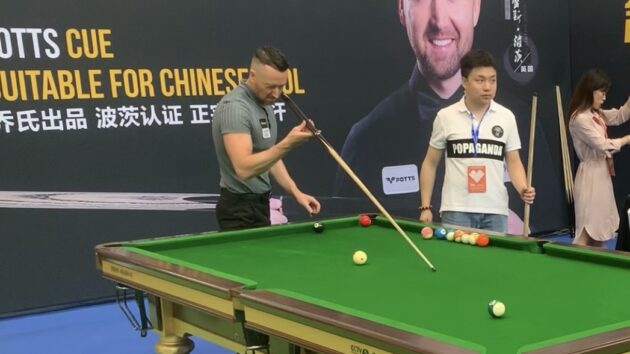
The best way to check if a pool cue is straight is by “sighting” it: hold the cue at eye level, look down the length from butt to tip, and slowly rotate it 360 degrees.
Any wobbling or wavering indicates a warp. Rolling the cue on a pool table is an unreliable method because even a straight cue may wobble due to the cue’s taper and roundness.
Sighting method
- Separate the cue: If it’s a two-piece cue, separate the shaft and butt and check the shaft individually.
- Position the cue: Hold the cue at eye level with the tip pointed slightly downward towards a window to get the light reflection
- Sight down the shaft: Look from the butt end toward the tip as if you were aiming a rifle.
- Rotate slowly: Slowly rotate the cue a full 360
- Observe for wobbling: Watch the tip and the shaft as you turn. A perfectly straight cue will appear to remain still, while a warped cue will seem to weave or wobble left and right, or up and down.
- Use one eye: Closing one eye can help you focus and make it easier to spot any movement.
Why rolling is unreliable
- Uneven surface: Pool Tables are rarely perfectly flat, and the felt can have variations that make even a straight cue appear to wobble.
- Taper: The cue shaft narrows towards the tip. This natural taper can cause a wobble when rolled on a flat surface and cues are not perfectly round, rolling a cue will check roundness.
- Other cues: The cue may have stickers, joints, a taper, uneven weighted timber, different timber types splices together or other features that disrupt the rolling motion, giving a false impression of a warp.
Choosing a Cue that is Fit for Purpose.
if you are purchasing a cheap cue it is unlikely it will be straight.
Usually only Professionals will need a cue that is straight as this will make a difference in their game.
A few mm of bend will not effect regular play.